
If you are thinking about getting a dhi hair transplant in karachi, you are not alone. Hair loss is a common problem affecting many people in Pakistan, especially men.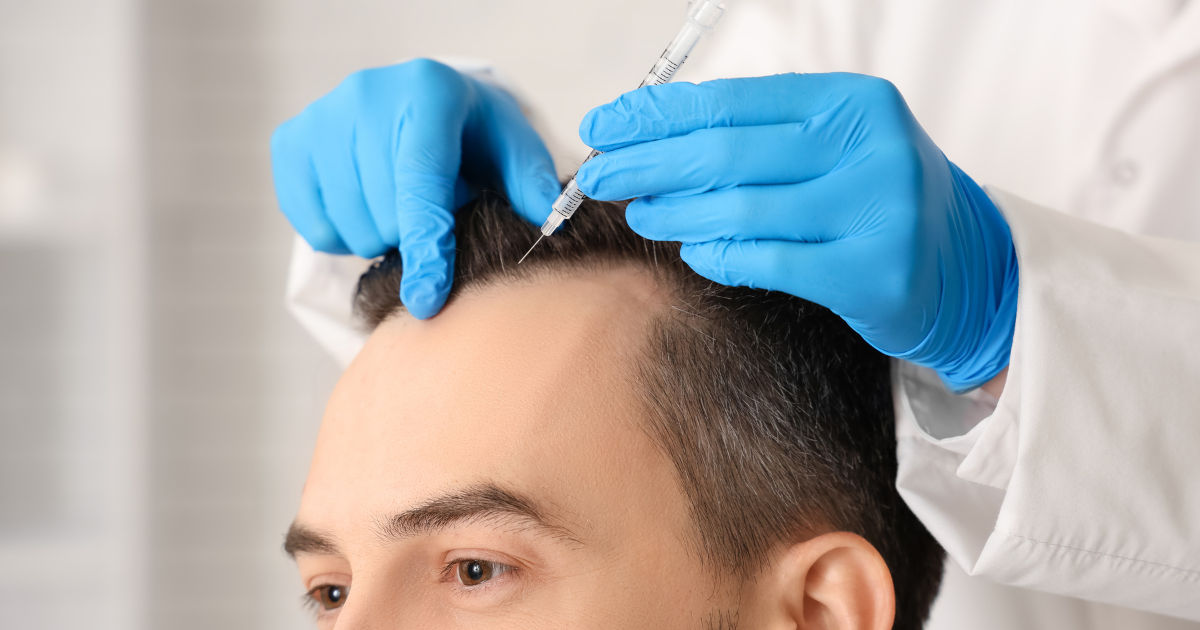
DHI (Direct Hair Implantation) is a modern hair transplant method that has gained popularity due to its minimal invasiveness, natural results, and faster recovery. But not everyone is a good candidate for dhi hair transplant in karachi.
This guide will help you understand who is suitable for DHI, what to expect, and how to choose the right clinic in Karachi.
Understanding DHI Hair Transplant
DHI hair transplant is a method where hair follicles are extracted from the donor area (usually the back of the head) and implanted directly into the bald or thinning area using a special pen-like tool called a Choi Implanter. The process is known for:
-
Precise implantation
-
Minimal bleeding
-
Faster recovery
-
Natural-looking results
-
High survival rate of hair follicles
Because of these benefits, dhi hair transplant in karachi is becoming a preferred option for many patients.
Who Is the Best Candidate for DHI Hair Transplant?
1. People With Male Pattern Baldness (Androgenetic Alopecia)
The most common reason people choose dhi hair transplant in karachi is male pattern baldness. This condition causes hair loss in specific patterns like:
-
Receding hairline
-
Thinning on the crown
-
Gradual widening of the part
If you have stable hair loss and enough donor hair, you are likely a good candidate.
2. People With Female Pattern Hair Loss
Women also experience hair thinning due to genetics, stress, hormonal changes, or aging. Dhi hair transplant in karachi can be suitable for women who have:
-
Thinning hair on the top of the head
-
Stable donor hair
-
No major medical conditions
However, women should be evaluated carefully because hair loss patterns differ from men.
3. People With Scars from Injury or Previous Surgery
Some people have scars from accidents, burns, or earlier hair transplants. DHI can be a good option because the implantation is precise and can cover scars effectively. If you have scar tissue, dhi hair transplant in karachi may still be possible, but the doctor will assess your scalp condition carefully.
4. People Who Want Natural Results
If you want a natural-looking hairline and density, dhi hair transplant in karachi is a great choice. The Choi pen allows doctors to place hair at the correct angle, direction, and depth, which makes the result look more natural.
5. People Who Prefer Minimal Recovery Time
DHI is less invasive than other transplant methods. If you want to return to work quickly and avoid long downtime, dhi hair transplant in karachi may be suitable for you.
Who Is NOT a Good Candidate for DHI Hair Transplant?
1. People With Insufficient Donor Hair
The donor area (usually the back and sides of the head) must have enough healthy hair follicles. If you have:
-
Severe baldness
-
Thin donor hair
-
Scarring in the donor area
then dhi hair transplant in karachi may not be possible or may give poor results.
2. People With Unstable Hair Loss
If your hair loss is still progressing rapidly, a transplant may not be effective. It’s best to wait until your hair loss becomes stable. Dhi hair transplant in karachi works best when hair loss has slowed down.
3. People With Certain Medical Conditions
Some medical conditions can affect healing and transplant success, such as:
-
Diabetes (uncontrolled)
-
Blood clotting disorders
-
Autoimmune diseases
-
Severe heart problems
If you have any of these, you may not be a suitable candidate for dhi hair transplant in karachi.
4. People With Unrealistic Expectations
A hair transplant improves hair density but cannot fully restore a full head of hair in all cases. If you expect instant or perfect results, dhi hair transplant in karachi may not satisfy you.
5. People Who Smoke or Drink Heavily
Smoking and excessive alcohol use reduce blood circulation and slow down healing. If you smoke or drink heavily, your transplant success may be lower.
How to Determine If You Are a Suitable Candidate
Step 1: Check Your Donor Hair
Your doctor will examine the donor area to see if there is enough hair to transplant. The donor area must have strong, healthy follicles.
Step 2: Evaluate Your Hair Loss Pattern
Doctors use the Norwood scale (for men) or Ludwig scale (for women) to measure hair loss stages. If your hair loss is advanced, the doctor may suggest alternative treatments.
Step 3: Review Your Medical History
Your doctor will ask about your health, medications, and family history. This helps identify any risks or conditions that could affect the transplant.
Step 4: Discuss Your Goals
You should discuss your desired hairline and density. Your doctor will tell you if your goals are realistic with dhi hair transplant in karachi.
Advantages of DHI Hair Transplant in Karachi
1. No Scalpels or Stitches
DHI uses a pen-like tool, so there is no need for cuts or stitches. This reduces pain and scarring.
2. High Precision
The Choi Implanter allows precise placement of hair follicles at the correct angle and depth. This results in natural hair growth.
3. Faster Healing
Because DHI is less invasive, recovery is quicker compared to older methods.
4. Better Survival Rate
Hair follicles are implanted immediately after extraction, which improves survival rates.
5. Suitable for Smaller Areas
If you want to fix a small bald spot or hairline, dhi hair transplant in karachi is ideal.
DHI Hair Transplant Procedure in Karachi (What to Expect)
1. Consultation
You will meet the doctor and discuss:
-
Your hair loss history
-
Your goals
-
Medical conditions
-
Donor hair availability
2. Shaving or Trimming
Some clinics require trimming the donor area. This makes extraction easier.
3. Local Anesthesia
The doctor numbs the scalp to prevent pain during the procedure.
4. Extraction of Hair Follicles
Hair follicles are removed one by one from the donor area using a special tool.
5. Implantation Using Choi Pen
The doctor implants each hair follicle directly into the bald area using the Choi implanter.
6. Recovery
You may experience mild swelling or redness for a few days. Most people return to work within a week.
How to Prepare for DHI Hair Transplant
1. Avoid Smoking and Alcohol
Stop smoking and drinking at least two weeks before the procedure.
2. Avoid Blood Thinners
Do not take aspirin or other blood thinners unless prescribed by your doctor.
3. Wash Your Hair
Wash your hair before the procedure as instructed by the clinic.
4. Avoid Stress
Stress can affect healing and hair growth.
Aftercare for Best Results
1. Follow Clinic Instructions
Every clinic has specific aftercare steps. Follow them strictly.
2. Avoid Heavy Exercise
Avoid heavy workouts for 2–3 weeks to prevent sweating and infection.
3. Protect Your Scalp
Avoid direct sun exposure and wear a loose hat if needed.
4. Avoid Hair Styling Products
Avoid gels and sprays for at least a few weeks.
5. Use Recommended Medicines
Doctors often prescribe antibiotics and hair growth supplements.
Who Benefits Most from DHI Hair Transplant in Karachi?
1. Young Men With Early Hair Loss
Young men who have just started losing hair can benefit greatly from dhi hair transplant in karachi, especially if they want to keep a natural hairline.
2. Professionals Who Need Quick Recovery
People who cannot take long time off work prefer dhi hair transplant in karachi because of faster recovery.
3. People With Specific Bald Areas
If you have a small bald patch or receding hairline, dhi hair transplant in karachi is very effective.
4. People Who Want Natural Hairline
If you want a natural-looking hairline, DHI is the best choice.
Common Myths About DHI Hair Transplant
Myth 1: DHI is Painful
Most patients feel minimal pain because local anesthesia is used.
Myth 2: DHI Is Only for Rich People
While DHI may be expensive, many clinics offer payment plans.
Myth 3: DHI Gives Instant Results
Hair growth takes time. You may see results after 4–6 months, and full results after 12–18 months.
Myth 4: Hair Will Fall Out Again
If the transplant is done correctly and you maintain a healthy lifestyle, the transplanted hair usually lasts a lifetime.
How to Choose the Right Clinic in Karachi
1. Check Doctor’s Experience
Choose a clinic with experienced doctors who specialize in dhi hair transplant in karachi.
2. Review Before and After Photos
Ask to see real patient photos and testimonials.
3. Check Clinic Hygiene
The clinic should be clean, sterile, and well-maintained.
4. Ask About Technology
Ensure they use modern tools and methods for dhi hair transplant in karachi.
5. Ask About Aftercare
A good clinic provides proper follow-up and aftercare support.
DHI Hair Transplant Cost in Karachi (General Idea)
The cost depends on:
-
Number of grafts
-
Clinic reputation
-
Doctor experience
-
Additional services
Most clinics charge per graft, and prices can vary widely. Always choose quality over price when it comes to dhi hair transplant in karachi.
DHI Hair Transplant Results Timeline
First Week
-
Mild swelling and redness
-
Small scabs appear
1–3 Months
-
Some transplanted hair may fall out (normal)
-
New hair starts to grow
4–6 Months
-
Noticeable hair growth
-
Hair becomes thicker
12–18 Months
-
Full results
-
Natural hair density
Risks and Side Effects
Like any procedure, DHI has risks such as:
-
Infection
-
Swelling
-
Redness
-
Temporary shock loss
-
Scarring (rare)
Choosing a reputable clinic reduces these risks significantly.
Conclusion
Dhi hair transplant in karachi is a modern and effective solution for hair loss. It is best suited for people with stable hair loss, sufficient donor hair, and realistic expectations. DHI is ideal for men and women who want natural results, minimal scarring, and faster recovery. However, not everyone is a suitable candidate. People with insufficient donor hair, unstable hair loss, or certain medical conditions may not benefit from the procedure.
If you are considering dhi hair transplant in karachi, the most important step is to consult an experienced doctor. A proper evaluation will help you understand if you are a good candidate and what results you can expect. When done correctly, DHI can significantly improve your appearance and confidence.