
Learning a new language can be challenging, especially for children. English as a Second Language (ESL) students often struggle to develop reading skills while keeping up with their classmates.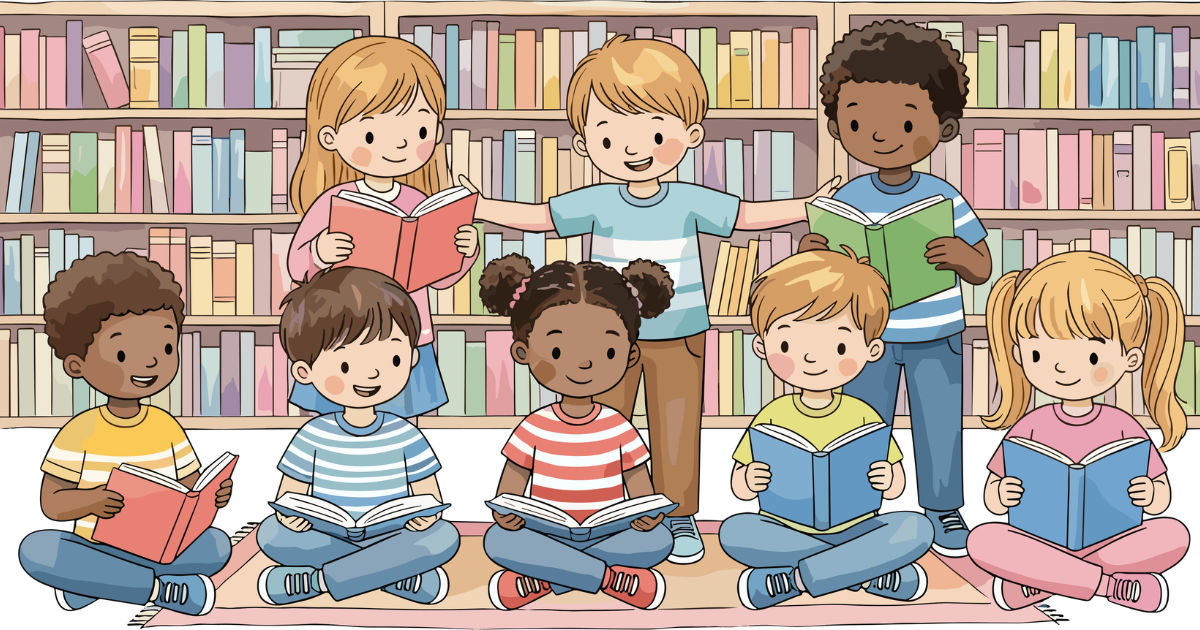
One of the most effective ways to support ESL children is by using Multilingual Children's Books Online. These resources allow kids to see stories in their native language and English simultaneously, bridging the gap between comprehension and learning.
By accessing books in multiple languages online, children can build vocabulary, improve grammar, and gain confidence in their reading abilities.
Unlike traditional textbooks, online multilingual books provide interactive and engaging content that holds a child’s attention. This approach combines the convenience of digital access with the pedagogical benefits of bilingual learning.
Understanding the Importance of Multilingual Resources
For ESL children, exposure to multiple languages is not just helpful; it’s crucial. Kids learn language naturally when they are immersed in it. Traditional classroom methods often focus on rote memorization and grammar drills, which can feel boring and ineffective. In contrast, Multilingual Children's Books Online allow children to encounter words and sentences in context.
Reading stories in both English and their native language helps kids recognize patterns, understand sentence structures, and make connections between words. For example, seeing the word "apple" in English next to "manzana" in Spanish immediately links meaning with language. This dual exposure accelerates vocabulary retention and helps children feel more confident in their reading.
How Multilingual Books Enhance Language Learning
Multilingual books support learning in several critical ways:
Vocabulary Development
One of the most immediate benefits of Multilingual Children's Books Online is vocabulary growth. By presenting words in context and in multiple languages, children naturally acquire new terms without forced memorization. Illustrations, audio support, and interactive features in online books further reinforce learning. Kids begin to recognize words not just as symbols but as concepts they can understand and apply.
Grammar and Sentence Structure
Learning English grammar can be difficult for ESL students, especially when their native language has a different structure. Multilingual books provide a reference point. Children can compare sentence constructions in both languages, helping them internalize English grammar rules more intuitively. Over time, this comparative learning leads to better writing and speaking skills.
Reading Comprehension
Understanding what they read is just as important as recognizing words. Online multilingual books provide storylines and contexts that are meaningful and age-appropriate. By reading in their native language alongside English, children can follow the plot, understand character motivations, and make inferences. This dual-language approach strengthens comprehension skills and encourages critical thinking.
Pronunciation and Listening Skills
Many online multilingual books include audio narration. ESL children can listen to correct pronunciation while reading along. This multimodal learning ensures that children not only recognize written words but also develop listening and speaking skills. Listening to native speakers read stories in English helps with accent, intonation, and rhythm, which are vital for effective communication.
Encouraging a Love for Reading
Children are more likely to enjoy reading when they understand the story. Multilingual Children's Books Online make reading accessible and fun. Bright illustrations, interactive animations, and engaging plots capture attention and turn learning into a playful experience. When kids enjoy what they read, they are motivated to continue, building lifelong literacy skills.
Benefits of Using Online Resources Over Traditional Books
While printed books remain valuable, online multilingual books offer unique advantages for ESL children:
Accessibility
Children can access Multilingual Children's Books Online anywhere with an internet connection. This flexibility means they can read at home, during travel, or in school without being limited by physical copies. Accessibility also allows for consistent practice, which is essential for language acquisition.
Interactive Features
Online books often include clickable words, animations, quizzes, and games. These interactive elements engage multiple senses, reinforcing memory and learning. Children can hear words, see them in text, and interact with characters, making language acquisition more dynamic than static printed pages.
Customizable Learning
Digital platforms often allow customization to suit a child’s reading level and pace. Children can highlight text, adjust font sizes, or switch languages easily. This personalization ensures that ESL learners are not overwhelmed or left behind, supporting a more effective learning process.
Cost-Effectiveness
Purchasing printed bilingual books can be expensive, especially for families seeking multiple languages. Online multilingual platforms often provide extensive libraries at lower costs, making it more affordable for parents and educators to offer diverse learning materials.
How Parents Can Support ESL Learning with Multilingual Books
Parents play a crucial role in reinforcing language skills. Using Multilingual Children's Books Online, they can:
-
Read together: Sharing a story in both languages encourages discussion, questions, and active learning.
-
Highlight new vocabulary: Parents can point out unfamiliar words and discuss meanings.
-
Encourage daily reading: Even 15 minutes a day can make a significant difference.
-
Use audio features: Listening together improves pronunciation and fluency.
Consistent parental involvement creates a supportive environment where children feel confident experimenting with language without fear of making mistakes.
How Teachers Can Integrate Multilingual Books in the Classroom
Educators can use online multilingual resources to create inclusive and engaging classrooms. Strategies include:
-
Bilingual reading sessions: Teachers can read aloud in English and students follow in their native language.
-
Vocabulary exercises: Highlighting words in both languages supports memorization and context understanding.
-
Interactive storytelling: Use quizzes, games, and discussion prompts embedded in online books to reinforce learning.
-
Project-based learning: Students can create their own bilingual stories, reinforcing grammar and vocabulary creatively.
Integrating multilingual books into lesson plans ensures that ESL children feel included and capable while promoting peer learning and collaboration.
Choosing the Right Multilingual Children's Books Online
Not all online books are equally effective. Parents and teachers should consider several factors when selecting resources:
Language Availability
Ensure the platform offers the child’s native language alongside English. Popular combinations include Spanish-English, Mandarin-English, and Arabic-English, but many platforms support multiple languages.
Age Appropriateness
Content should match the child’s age, reading level, and interests. Stories that are too complex can be discouraging, while overly simple books may fail to engage.
Interactive Features
Look for books with audio narration, animations, and quizzes. These features enhance comprehension and retention, especially for younger learners.
Accessibility and Usability
Platforms should be easy to navigate and compatible with various devices. Children should not struggle with technical difficulties, as this can disrupt learning and create frustration.
Examples of Popular Multilingual Online Platforms
Several online resources have emerged as leaders in multilingual children’s education:
-
StoryPlace: Offers interactive bilingual stories suitable for various age groups.
-
Epic! Books: Provides extensive digital libraries with dual-language options and read-aloud features.
-
International Children’s Digital Library: Features books in multiple languages, searchable by age and topic.
-
Oxford Owl: Includes bilingual storybooks and activities for ESL learners.
Using reputable platforms ensures high-quality content and a safe learning environment for children.
Supporting Cognitive Development
Learning multiple languages early has cognitive benefits beyond literacy. Children exposed to multilingual books develop stronger problem-solving skills, improved memory, and greater mental flexibility. They are better at switching between tasks, recognizing patterns, and understanding abstract concepts.
Multilingual Children's Books Online provide a structured yet enjoyable way to stimulate these cognitive advantages. The combination of visual, auditory, and textual input enhances brain development and prepares children for more advanced learning.
Overcoming Common Challenges
While multilingual online books are effective, some challenges may arise:
-
Screen time concerns: Parents should balance digital reading with offline activities to avoid excessive screen exposure.
-
Limited language options: Not every native language is available; selecting the right platform may require research.
-
Motivation issues: Some children may initially resist reading. Choosing engaging stories and interactive features helps overcome reluctance.
By being aware of these challenges and addressing them proactively, parents and educators can maximize the benefits of online multilingual books.
The Future of ESL Learning with Online Multilingual Books
The digital age has transformed how children access information. ESL learners now have unprecedented opportunities to learn effectively and enjoyably. As technology advances, Multilingual Children's Books Online are becoming more interactive, personalized, and adaptive to individual learning needs.
Artificial intelligence can tailor reading experiences to each child’s level, track progress, and suggest new stories. Virtual reality and gamification may soon provide immersive environments where language is learned naturally through interactive play. These innovations promise a future where ESL learners can thrive with resources that are engaging, effective, and accessible.
Conclusion
Multilingual Children's Books Online are a game-changer for ESL learning. They offer vocabulary growth, improved grammar, enhanced comprehension, and increased engagement, all while providing cognitive benefits and building confidence. Parents and teachers play a critical role in supporting these resources, creating a positive and motivating learning environment.
The combination of accessibility, interactivity, and personalization makes online multilingual books more effective than traditional methods alone. As digital platforms evolve, they will continue to provide innovative ways for children to succeed in language learning, fostering a lifelong love of reading and learning.
By integrating these resources into daily learning routines, ESL children can overcome language barriers, develop fluency, and enjoy the journey of reading in multiple languages. Multilingual books are no longer just educational tools—they are bridges to understanding, communication, and future opportunities.