
Modern Pakistani fashion has seen an incredible evolution over the past few decades, combining traditional craftsmanship with contemporary design sensibilities. Among the most significant aspects that set Pakistani clothing apart is the emphasis on detailing techniques.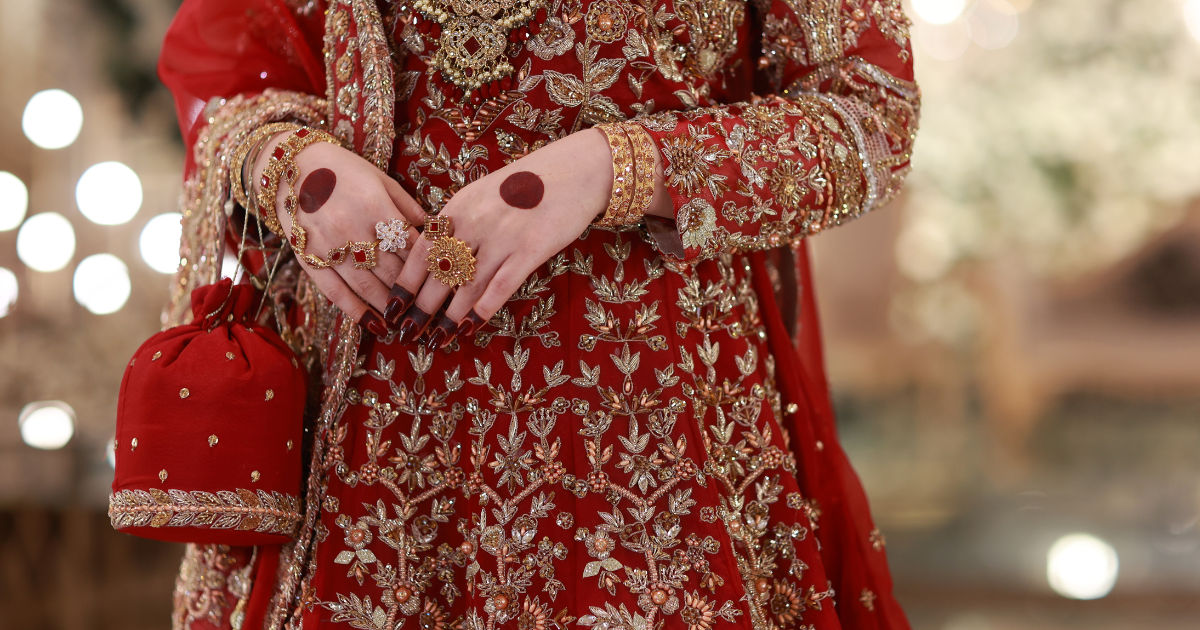
Whether it’s the delicate handwork on a bridal lehenga or the intricate embroidery on a casual kurta, detailing plays a pivotal role in defining the overall aesthetic of the garment. Nani je collections have popularized such designs, merging heritage techniques with modern innovation, making them highly sought after among fashion enthusiasts.
This guide explores the most prominent detailing techniques in modern Pakistani fashion, highlighting their history, application, and relevance in today’s fashion industry. By understanding these techniques, fashion lovers and aspiring designers can appreciate the meticulous effort behind every outfit.
The Importance of Detailing in Pakistani Fashion
Detailing in fashion is not just decoration; it is storytelling. Each stitch, bead, and pattern represents a rich cultural narrative. In Pakistan, detailing can transform a simple fabric into a work of art. Modern designers often take inspiration from historical textiles, incorporating elements such as mirror work, zari, and thread embroidery into contemporary silhouettes.
Nani je has been particularly influential in reviving traditional detailing techniques while making them accessible for modern wardrobes. This blend of tradition and modernity allows garments to maintain cultural significance while appealing to global fashion sensibilities.
Embroidery Techniques
Embroidery remains the cornerstone of Pakistani fashion detailing. It involves decorating fabric using threads of various colors, textures, and thicknesses. Modern Pakistani fashion employs several embroidery techniques, each contributing a distinct visual appeal.
Hand Embroidery
Hand embroidery is the most traditional and time-consuming form of detailing. Techniques such as Aari work, Phulkari, and Chikankari involve painstaking stitching by skilled artisans. Hand embroidery is often used in bridal wear, formal suits, and luxury outfits.
-
Aari Work: This technique uses a hooked needle to create chain stitches, often forming floral patterns. It adds depth and texture to garments, making them suitable for bridal and festive wear.
-
Phulkari: Originating from Punjab, Phulkari involves intricate floral motifs crafted with vibrant threads. It is widely used in shawls, dupattas, and casual wear.
-
Chikankari: A Lucknow-inspired technique, Chikankari uses white thread on light fabrics, creating a delicate and airy effect.
Designers like Nani je have elevated these traditional stitches by incorporating contemporary colors and patterns, making hand embroidery relevant for everyday fashion.
Machine Embroidery
While hand embroidery is prized for its authenticity, machine embroidery allows faster production while maintaining precision. Modern Pakistani fashion uses machine embroidery to replicate traditional patterns on a large scale. This technique is commonly seen in pret wear, casual suits, and semi-formal collections.
Machine embroidery can combine multiple threads, colors, and sequins to mimic the intricate look of handwork, offering an affordable alternative without compromising on style.
Sequins and Beadwork
Sequins and beads are integral to glamorous Pakistani outfits. They catch light and add sparkle, transforming garments into show-stopping pieces.
Zardozi
Zardozi is a traditional technique that involves stitching metallic threads and embellishments onto fabric. Often used in bridal wear, zardozi can incorporate beads, pearls, and sequins to create regal patterns. Modern designers, including Nani je, experiment with zardozi on contemporary cuts like crop tops and asymmetric dresses, bridging the gap between tradition and modern fashion.
Stone and Crystal Detailing
Stone and crystal work has become a popular choice for formal and festive wear. Small crystals are meticulously sewn onto fabric, producing a luxurious effect without the heaviness of traditional embroidery. Designers use these details sparingly on sleeves, necklines, and hemlines to accentuate key areas.
Sequins Embroidery
Sequins embroidery adds glamour and shine. Often paired with threadwork, sequins enhance the overall visual appeal of an outfit. This detailing technique is commonly used for evening gowns, party wear, and bridal lehengas.
Mirror Work
Mirror work, also known as Shisha embroidery, is a unique Pakistani technique where small mirrors are stitched onto fabric to reflect light. This adds an interesting dimension and creates a playful, sparkling effect.
Originating in Sindh and Punjab, mirror work was traditionally used in festive attire and dance costumes. Today, designers like Nani je integrate mirror work into contemporary fashion, making it suitable for casual wear, formal suits, and even western-inspired fusion outfits. Modern adaptations include smaller mirrors, geometric patterns, and mixed media applications with embroidery and beads.
Applique and Patchwork
Applique involves attaching pieces of fabric onto a larger base fabric to create patterns, textures, or motifs. Patchwork is a similar technique that stitches various fabric pieces together for decorative or functional purposes.
These techniques allow designers to experiment with texture, color, and layering. Nani je frequently incorporates applique to produce bold and innovative designs, from floral motifs on kurtas to abstract shapes on jackets. Patchwork is especially popular in festive and casual wear, offering a playful and creative aesthetic.
Lace and Cutwork
Lace and cutwork provide elegance and sophistication in Pakistani fashion.
Lace Detailing
Lace is often added to borders, sleeves, or necklines. Its delicate patterns contribute to femininity and grace. Modern designers combine lace with embroidery and beads to add dimension to the garment, creating a balance between softness and opulence.
Cutwork
Cutwork, or eyelet embroidery, involves cutting out portions of the fabric and finishing the edges with stitching. It adds intricate patterns and texture to fabric while maintaining lightness and comfort. Cutwork is commonly used in casual wear, pret collections, and festive attire.
Fabric Manipulation Techniques
Apart from external embellishments, fabric manipulation plays a crucial role in detailing. These techniques alter the fabric’s surface to create patterns, textures, or 3D effects.
Pleating and Ruching
Pleats and ruches are folds or gathers that add volume, movement, and texture. They are used in sleeves, skirts, and dupattas to enhance the garment’s structure. Modern Pakistani designers, including Nani je, use pleating creatively on both formal and casual wear.
Smocking
Smocking is a technique where the fabric is gathered and stitched to create elasticity and decorative texture. It is often seen on sleeves, waistlines, and bodices, giving garments a playful yet elegant look.
Pintucks
Pintucks are small folds stitched along the fabric, creating texture without adding weight. They are subtle but effective detailing elements for shirts, kurtas, and dresses.
Dyeing and Printing Techniques
Color application is another form of detailing in modern Pakistani fashion. Designers use dyeing and printing techniques to produce unique patterns and textures.
Tie and Dye (Bandhani)
Tie and dye is an ancient technique where fabric is tied in patterns before dyeing. This creates distinct circular or geometric motifs. Modern Pakistani fashion often integrates tie and dye in casual wear, festive kurtas, and fusion dresses.
Block Printing
Block printing involves stamping designs on fabric using carved wooden blocks. Intricate patterns and vibrant colors are popular in both casual and formal collections. Designers like Nani je often combine block printing with embroidery to create multidimensional detailing.
Digital Printing
Digital printing allows designers to create precise, high-resolution patterns on fabric. It’s an innovative alternative to traditional handwork, suitable for modern pret and casual wear. Digital prints can mimic embroidery, floral motifs, or abstract patterns, offering versatility and speed in production.
Bead and Tassel Embellishments
Beads, tassels, and fringes are playful detailing elements in modern Pakistani fashion. They add movement, texture, and visual interest to garments.
-
Beaded Fringe: Often used on sleeves, dupattas, and hemlines, beads enhance the outfit’s sophistication.
-
Tassels: Tassels bring a bohemian or festive flair, commonly attached to necklines, dupattas, and waistlines.
Nani je collections frequently use these embellishments to make garments dynamic and eye-catching, particularly in party and wedding wear.
Modern Fusion Techniques
Modern Pakistani fashion increasingly merges traditional detailing with innovative techniques. Designers are experimenting with mixed media, metallic threads, laser-cut patterns, and 3D embroidery to push creative boundaries.
For instance, Nani je has been at the forefront of combining hand embroidery with digital prints, sequins with cutwork, and applique with lace. This fusion approach ensures that garments remain rooted in tradition while appealing to contemporary aesthetics.
Care and Maintenance of Detailed Garments
Garments with heavy detailing require careful handling to maintain their beauty. Handwashing or dry cleaning is often recommended for embroidered, sequined, or lace garments. Storing these clothes properly, avoiding direct sunlight, and using garment covers can prevent damage and discoloration.
Understanding detailing techniques also helps consumers appreciate the craftsmanship and invest in garments with care, ensuring longevity.
Conclusion
Detailing techniques are the heart and soul of modern Pakistani fashion. From intricate hand embroidery and zardozi to mirror work, applique, and modern fusion techniques, every element contributes to the garment’s story and aesthetic. Designers like Nani je have played a pivotal role in reviving traditional crafts while innovating for contemporary fashion sensibilities.
By exploring these detailing techniques, we gain a deeper appreciation for the craftsmanship, creativity, and cultural heritage embedded in Pakistani fashion. Whether it is bridal wear, festive attire, or casual clothing, attention to detail elevates every garment, turning it into a piece of art.
Modern Pakistani fashion continues to evolve, but detailing remains central, ensuring that tradition and innovation coexist harmoniously. For fashion enthusiasts, understanding these techniques is essential to truly appreciate the elegance, skill, and narrative behind every design.
The journey of Pakistani fashion, driven by these detailing techniques, highlights a perfect blend of culture, artistry, and modernity, making each piece a timeless treasure.