
A Packing Machine plays a crucial role in modern industries, especially where products need to be packaged quickly, safely, and consistently. A Packing Machine is designed to automate the entire packaging process, reducing human effort and increasing production speed.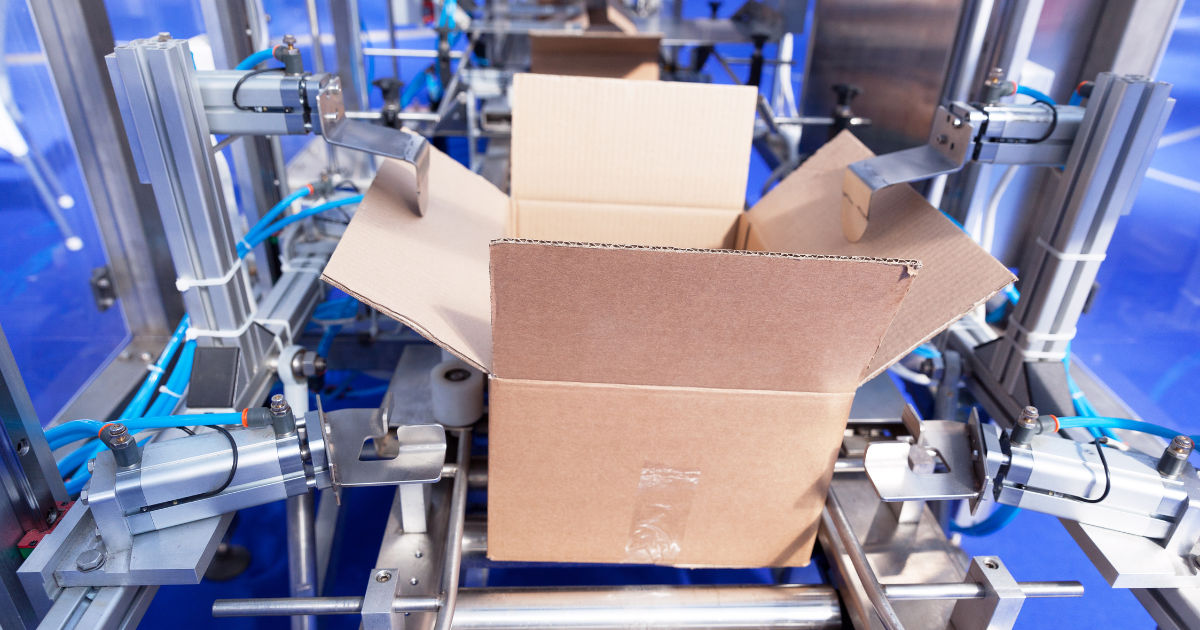
In today’s manufacturing world, a Packing Machine is not just an option but a necessity for high-volume production lines. Companies rely heavily on a Packing Machine to maintain quality standards while improving efficiency.A Packing Machine works by performing a sequence of automated tasks such as filling, sealing, labeling, and conveying products along a production line.
The importance of a Packing Machine continues to grow as industries demand faster output and lower operational costs. Without a Packing Machine, many industries would struggle to meet modern production demands. The reliability of a Packing Machine ensures that products are packed uniformly and safely.
In this comprehensive guide, we will explore how a Packing Machine operates, its components, working stages, automation systems, and industrial applications. We will also discuss its benefits, challenges, and efficiency improvements in detail. By the end, you will have a clear understanding of how a Packing Machine transforms raw production into finished packaged goods ready for the market.
What Is a Packing Line System?
A packing line system is a coordinated setup of machines that work together to complete packaging tasks. At the center of this system is the Packing Machine, which handles the main packaging operations.
A modern production facility uses multiple interconnected units, but the Packing Machine remains the core element. It ensures products move smoothly through different stages like filling, sealing, and labeling. Each Packing Machine in the line is designed for a specific task, making the system efficient and organized.
A typical packing line includes conveyors, sensors, filling units, sealing units, and inspection systems. However, the Packing Machine synchronizes all these components into a unified process. Without a properly functioning Packing Machine, the entire line can become slow or inconsistent.
The main goal of a packing line system is to improve productivity. A well-designed Packing Machine helps achieve this by reducing manual handling and increasing automation.
Key Components of a Packing Machine System
Every Packing Machine is built from several important components that work together to ensure smooth operation. Understanding these components helps explain how the system functions as a whole.
Conveyor System
The conveyor system moves products between different stations. A Packing Machine relies on conveyors to ensure continuous flow. Without conveyors, the Packing Machine would not maintain production speed.
Filling Unit
The filling unit measures and dispenses the correct quantity of product. A Packing Machine uses precise filling mechanisms to avoid waste and ensure accuracy. This is especially important in food and pharmaceutical industries.
Sealing Unit
The sealing unit closes the package securely. A Packing Machine ensures airtight or secure sealing depending on the product type. This step is essential for product safety and shelf life.
Control Panel
The control panel allows operators to manage the Packing Machine. It includes settings for speed, temperature, and filling volume. Modern Packing Machine systems use digital touchscreens for easier control.
Sensors and Detectors
Sensors help the Packing Machine detect product position, size, and alignment. These sensors ensure that every step is accurate and reduce errors in packaging.
Labeling System
A Packing Machine may include a labeling unit that applies product information. This helps with branding, compliance, and identification.
How a Packing Machine Operates Step by Step
The operation of a Packing Machine follows a structured sequence. Each step is automated and carefully timed to maintain efficiency.
Step 1: Product Feeding
The process begins when products are fed into the system. A Packing Machine receives raw or unpacked items through a conveyor or hopper. The feeding system ensures a steady supply of products.
Step 2: Positioning and Alignment
Once inside, the Packing Machine aligns products correctly. Sensors guide each item into the correct position to ensure accurate filling and sealing.
Step 3: Filling Process
The filling stage is one of the most important parts of a Packing Machine. It dispenses a measured amount of product into containers or packaging materials. Precision is critical at this stage.
Step 4: Sealing and Closing
After filling, the Packing Machine seals the package. This can involve heat sealing, vacuum sealing, or adhesive sealing depending on the product type.
Step 5: Labeling and Coding
The Packing Machine applies labels, barcodes, or expiration dates. This step ensures product traceability and compliance with regulations.
Step 6: Quality Inspection
Before leaving the system, the Packing Machine may include inspection units. These check for errors like underfilling, mislabeling, or improper sealing.
Step 7: Output and Collection
Finally, the finished products exit the Packing Machine through conveyors and are collected for storage or shipping.
Types of Packing Machines in Industrial Use
Different industries use different types of Packing Machine systems depending on their needs.
Vertical Packing Machine
A vertical Packing Machine is used for powders, grains, and liquids. It fills products from top to bottom, making it efficient for bulk materials.
Horizontal Packing Machine
A horizontal Packing Machine is ideal for solid items like snacks or hardware. It moves products sideways through the system.
Vacuum Packing Machine
A vacuum Packing Machine removes air before sealing. This helps preserve food and prevent spoilage.
Automatic Packing Machine
An automatic Packing Machine performs all tasks with minimal human intervention. It is widely used in large-scale industries.
Semi-Automatic Packing Machine
A semi-automatic Packing Machine requires some manual input but still improves efficiency compared to manual packaging.
Automation and Smart Technology in Packing Machines
Modern industries rely heavily on smart automation in every Packing Machine. Automation improves speed, accuracy, and consistency.
Role of Sensors and AI
Advanced Packing Machine systems use sensors and artificial intelligence to detect errors and adjust operations automatically. This reduces waste and improves performance.
PLC Control Systems
A Packing Machine often uses Programmable Logic Controllers (PLC). These systems control every stage of operation with precision.
Human-Machine Interface (HMI)
Operators interact with the Packing Machine through HMI panels. These interfaces make it easy to adjust settings and monitor performance.
IoT Integration
Some advanced Packing Machine systems are connected to the Internet of Things. This allows remote monitoring and predictive maintenance.
Applications of Packing Machines in Different Industries
A Packing Machine is used across many industries due to its versatility and efficiency.
Food Industry
In food production, a Packing Machine is essential for packaging snacks, beverages, frozen foods, and dry goods. It ensures hygiene and safety.
Pharmaceutical Industry
A Packing Machine in pharmaceuticals ensures accurate dosing, sterile packaging, and compliance with regulations.
Chemical Industry
Chemicals require safe handling, and a Packing Machine ensures secure sealing and leak prevention.
Agricultural Industry
Grains, seeds, and fertilizers are often packaged using a Packing Machine for efficient distribution.
Manufacturing Industry
Various consumer goods rely on a Packing Machine for labeling, sealing, and final packaging.
Advantages of Using Packing Machines
The use of a Packing Machine provides several benefits that improve industrial operations.
Increased Efficiency
A Packing Machine significantly increases production speed compared to manual labor.
Consistent Quality
Every Packing Machine ensures uniform packaging, reducing human error.
Cost Reduction
Over time, a Packing Machine reduces labor and operational costs.
Improved Safety
A Packing Machine minimizes human contact with hazardous or delicate materials.
Scalability
Industries can scale production easily using a Packing Machine system.
Common Challenges in Packing Machine Operation
Even though a Packing Machine is highly efficient, it can face certain challenges.
Maintenance Issues
A Packing Machine requires regular maintenance to avoid breakdowns.
Initial Cost
The installation of a Packing Machine can be expensive for small businesses.
Technical Complexity
Operating a modern Packing Machine requires trained personnel.
Material Compatibility
Not every material works smoothly with every Packing Machine system.
How to Improve Efficiency in Packing Machine Systems
Improving the performance of a Packing Machine can lead to better productivity.
Regular Maintenance
Routine checks ensure that the Packing Machine runs smoothly without interruptions.
Proper Training
Operators should be well-trained to handle the Packing Machine efficiently.
Upgrading Technology
Modernizing the Packing Machine improves speed and accuracy.
Monitoring Systems
Using smart monitoring helps track the performance of the Packing Machine in real time.
Future of Packing Machine Technology
The future of the Packing Machine industry is focused on automation, artificial intelligence, and sustainability.
New-generation Packing Machine systems will be faster, smarter, and more energy-efficient. Robotics will further improve the precision of the Packing Machine, while AI will reduce downtime through predictive maintenance.
Sustainable packaging solutions will also influence the design of future Packing Machine systems, making them more eco-friendly.
Conclusion
A Packing Machine is an essential part of modern industrial production. It ensures that products are packaged efficiently, safely, and consistently. From filling and sealing to labeling and inspection, every Packing Machine performs a critical role in the production line.
As industries continue to grow, the importance of a Packing Machine will only increase. Automation, AI, and smart technologies will make the Packing Machine even more advanced in the future. Businesses that invest in a modern Packing Machine gain a significant advantage in productivity, cost savings, and product quality.
In summary, the Packing Machine is not just equipment—it is the backbone of efficient packaging systems worldwide.