
Planning a wedding is one of the most exciting experiences in life. In Pakistan, weddings are much more than a single-day event.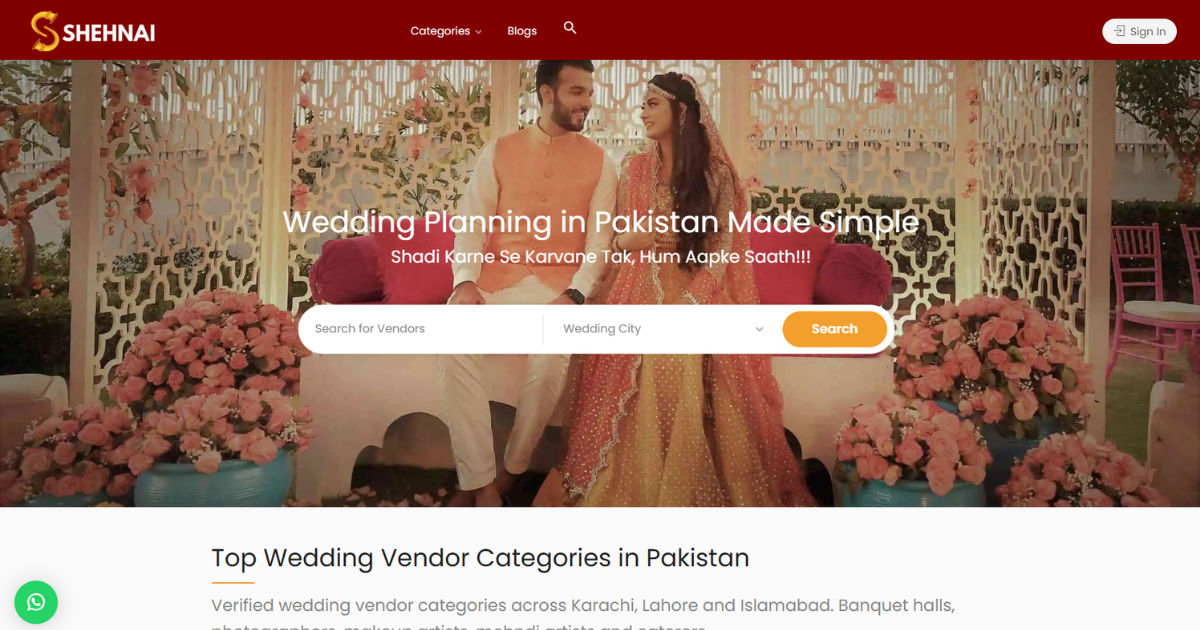 They are a celebration of family, culture, history, and community values. This is why Wedding Planning Pakistan is not only about selecting a venue, arranging food, or choosing decorations. It is also about honoring traditions that have been passed down through generations.
Many couples today want modern and stylish weddings. However, traditions continue to play a major role because they create meaningful experiences and help families stay connected to their cultural roots. Understanding the importance of these customs can make the entire planning process more enjoyable and successful.
This comprehensive guide explores why traditions matter in Wedding Planning Pakistan, how they influence wedding events, and why preserving these customs remains important in today's fast-changing world.
Cultural Importance of Pakistani Weddings
Pakistani weddings are deeply rooted in cultural values. They reflect the country's diverse heritage, which includes influences from different regions, languages, and communities.
When families begin Wedding Planning Pakistan, they often focus on maintaining traditions because weddings represent more than a union between two individuals. They symbolize the coming together of two families.
Traditional wedding customs help create a sense of belonging. They remind families of their history and strengthen relationships between relatives and friends.
These traditions also allow younger generations to learn about their cultural identity. Through wedding ceremonies, they gain a deeper understanding of family values and social responsibilities.
The Role of Family in Wedding Planning
Family involvement is one of the biggest reasons traditions matter in Wedding Planning Pakistan.
Unlike many Western weddings that focus primarily on the couple, Pakistani weddings often involve extended family members in decision-making. Parents, grandparents, siblings, uncles, aunts, and cousins all contribute to planning.
This involvement creates stronger family bonds. Every member feels connected to the celebrations and takes pride in contributing to the event.
Family participation also ensures that important customs are respected and properly followed. Older relatives often guide younger family members through traditional practices and ceremonies.
Preserving Cultural Identity Through Traditions
One major benefit of Wedding Planning Pakistan traditions is the preservation of cultural identity.
As globalization continues to influence lifestyles, many people worry about losing their traditional values. Weddings provide an opportunity to celebrate and preserve cultural heritage.
Traditional clothing, music, dances, food, and rituals all showcase Pakistani culture. These elements remind families of their roots and help pass traditions on to future generations.
Without these customs, weddings might lose much of their unique cultural significance.
Why Traditional Wedding Ceremonies Matter
Pakistani weddings consist of multiple ceremonies that each hold special meaning.
During Wedding Planning Pakistan, families carefully organize these events because each ceremony symbolizes an important stage in the marriage journey.
Some common traditional ceremonies include:
- Dholki
- Mayun
- Mehndi
- Nikah
- Barat
- Rukhsati
- Walima
Each event has its own customs, symbolism, and emotional importance.
Dholki Celebrations
The Dholki ceremony is often one of the first wedding events.
Family and friends gather to sing traditional songs and celebrate the upcoming marriage. This event creates excitement and allows loved ones to connect before the main ceremonies begin.
Many families consider Dholki an essential part of Wedding Planning Pakistan because it encourages togetherness and joy.
The Significance of Mayun
Mayun is a traditional pre-wedding ceremony where the bride begins special beauty preparations.
This event symbolizes the bride's transition into married life. Family members gather to bless her and offer support.
The ceremony emphasizes the importance of family love and emotional connection.
Mehndi: A Colorful Tradition
The Mehndi ceremony is one of the most vibrant parts of Wedding Planning Pakistan.
The event features colorful clothing, traditional music, dance performances, and intricate henna designs.
Mehndi represents happiness, prosperity, and celebration. It allows both families to interact and enjoy memorable moments together.
Many couples consider Mehndi the most enjoyable event because of its lively atmosphere.
The Importance of Nikah
Nikah is the most important ceremony in a Pakistani wedding.
During Wedding Planning Pakistan, great attention is given to organizing the Nikah because it represents the official marriage contract.
The ceremony follows Islamic principles and establishes the legal and religious union between the bride and groom.
Nikah emphasizes:
- Mutual respect
- Commitment
- Responsibility
- Partnership
For many families, the spiritual significance of Nikah makes it the centerpiece of the entire wedding celebration.
Barat and Its Traditional Value
Barat is the event where the groom arrives with his family to meet the bride's family.
In Wedding Planning Pakistan, Barat often receives significant attention because it serves as the main wedding celebration.
The ceremony symbolizes the formal joining of two families. It is usually marked by elegant attire, beautiful decorations, and grand hospitality.
Barat traditions emphasize respect, honor, and family unity.
Emotional Importance of Rukhsati
Rukhsati is one of the most emotional moments in Pakistani weddings.
It marks the bride's departure from her family home as she begins a new chapter in life.
During Wedding Planning Pakistan, families often prepare carefully for this event because of its emotional significance.
Rukhsati highlights:
- Family love
- Emotional bonds
- Personal growth
- New beginnings
The ceremony reminds everyone of the deep connections that exist within families.
Walima and Community Celebration
Walima is the reception hosted by the groom's family after the wedding.
In Wedding Planning Pakistan, Walima serves as an opportunity to introduce the newly married couple to the wider community.
The event promotes hospitality, gratitude, and social connection.
Guests gather to celebrate the marriage and offer blessings for the couple's future.
Traditional Clothing and Its Importance
Clothing plays a major role in Pakistani wedding traditions.
During Wedding Planning Pakistan, selecting wedding attire is often one of the most exciting tasks.
Traditional outfits may include:
- Lehenga
- Sharara
- Gharara
- Sherwani
- Kurta
These garments showcase regional craftsmanship and cultural heritage.
Wearing traditional clothing allows couples to honor their roots while celebrating one of life's most important milestones.
The Value of Traditional Jewelry
Jewelry has symbolic importance in Pakistani weddings.
Many families pass jewelry down through generations, making it a meaningful part of Wedding Planning Pakistan.
Traditional bridal jewelry often includes:
- Maang tikka
- Jhumkas
- Necklaces
- Bangles
- Nose rings
These pieces connect brides to family history and cultural traditions.
Traditional Foods Strengthen Family Connections
Food is an essential part of every wedding celebration.
During Wedding Planning Pakistan, families invest significant effort in creating memorable dining experiences.
Popular wedding dishes include:
- Biryani
- Pulao
- Karahi
- Kebabs
- Nihari
- Qorma
Sharing meals helps guests bond and strengthens relationships between families.
Food also reflects regional traditions and cultural pride.
Music and Dance Preserve Heritage
Music and dance bring energy and excitement to wedding celebrations.
Traditional performances remain important in Wedding Planning Pakistan because they preserve cultural expression.
Popular wedding entertainment includes:
- Dhol performances
- Folk songs
- Traditional dances
- Family performances
These activities create joyful memories and encourage participation from guests of all ages.
Building Community Relationships
Another reason traditions matter in Wedding Planning Pakistan is their ability to strengthen community relationships.
Weddings bring together relatives, friends, neighbors, and colleagues.
These gatherings create opportunities for:
- Networking
- Friendship building
- Family reunions
- Social support
Strong community connections contribute to healthier and more supportive social environments.
Teaching Values Through Traditions
Wedding traditions teach important life lessons.
Through Wedding Planning Pakistan, younger generations learn about:
- Respect
- Responsibility
- Commitment
- Hospitality
- Family loyalty
These values help individuals navigate relationships and contribute positively to society.
Traditional ceremonies provide practical examples of these principles in action.
Why Elders Value Wedding Traditions
Older generations often place great importance on wedding customs.
During Wedding Planning Pakistan, elders serve as valuable sources of knowledge and guidance.
They understand the historical meaning behind ceremonies and help ensure traditions are respected.
Their involvement strengthens family bonds and promotes intergenerational learning.
Balancing Modern Trends and Tradition
Modern couples often seek a balance between contemporary styles and traditional customs.
Successful Wedding Planning Pakistan allows couples to personalize their celebrations while preserving important cultural elements.
Examples include:
- Modern venues with traditional ceremonies
- Contemporary décor with cultural themes
- Professional photography of traditional events
- Digital invitations alongside traditional customs
This balance helps weddings remain relevant while honoring heritage.
The Economic Impact of Wedding Traditions
Wedding traditions also support local businesses.
During Wedding Planning Pakistan, families hire numerous professionals, including:
- Event planners
- Caterers
- Photographers
- Florists
- Designers
- Musicians
Traditional weddings contribute significantly to the economy and create employment opportunities.
Local artisans also benefit from the demand for traditional clothing, jewelry, and decorative items.
Creating Lifelong Memories
One reason traditions remain important in Wedding Planning Pakistan is their ability to create unforgettable memories.
Guests often remember:
- Traditional songs
- Family rituals
- Cultural attire
- Emotional ceremonies
These experiences become cherished stories that families share for generations.
Traditions add meaning and depth that make weddings truly memorable.
The Emotional Power of Shared Experiences
Shared experiences strengthen emotional connections.
During Wedding Planning Pakistan, traditional events allow families to celebrate together, laugh together, and support one another.
These shared moments create lasting bonds that extend beyond the wedding day.
The emotional value of these experiences often becomes more meaningful over time.
Regional Diversity in Pakistani Wedding Traditions
Pakistan's diverse regions contribute unique customs to wedding celebrations.
Different provinces have their own traditions, including:
Punjab
Punjabi weddings often feature energetic music, vibrant colors, and lively dances.
Sindh
Sindhi weddings include distinctive cultural attire and traditional rituals.
Khyber Pakhtunkhwa
Pashtun weddings emphasize hospitality, respect, and strong family values.
Balochistan
Balochi weddings showcase unique clothing, customs, and cultural heritage.
This diversity makes Wedding Planning Pakistan rich and culturally fascinating.
Why Traditions Continue to Thrive
Despite changing lifestyles, wedding traditions remain popular because they fulfill important social and emotional needs.
They provide:
- Cultural continuity
- Family unity
- Emotional support
- Community engagement
- Personal identity
These benefits ensure that traditions continue to play a significant role in modern weddings.
Common Challenges in Preserving Traditions
Families sometimes face challenges when trying to maintain customs.
These challenges may include:
- Budget limitations
- Time constraints
- Modern lifestyle preferences
- Destination weddings
However, thoughtful Wedding Planning Pakistan can help families preserve meaningful traditions while adapting to contemporary needs.
Tips for Incorporating Traditions Successfully
To maintain cultural customs effectively, families can:
- Discuss expectations early.
- Involve elders in planning.
- Prioritize meaningful ceremonies.
- Educate younger family members.
- Blend tradition with modern convenience.
- Preserve cultural attire and music.
- Document traditions through photography and video.
These strategies help ensure traditions remain a valuable part of the celebration.
The Future of Wedding Planning Pakistan
The future of Wedding Planning Pakistan will likely involve a combination of tradition and innovation.
Technology will continue influencing wedding planning through:
- Online invitations
- Virtual participation
- Digital photography
- Social media sharing
At the same time, families will continue valuing traditional ceremonies because they provide emotional depth and cultural significance.
This balance will help Pakistani weddings remain both modern and meaningful.
Conclusion
Wedding traditions matter because they preserve culture, strengthen family bonds, teach important values, and create lasting memories. Through meaningful ceremonies such as Mehndi, Nikah, Barat, Rukhsati, and Walima, families celebrate not only the union of two individuals but also the joining of two families and communities.
The importance of Wedding Planning Pakistan goes far beyond logistics and event management. It represents an opportunity to honor heritage, maintain cultural identity, and pass cherished customs to future generations. Traditional clothing, food, music, rituals, and family involvement all contribute to a richer and more meaningful wedding experience.
As modern lifestyles continue to evolve, traditions remain a powerful reminder of the values that connect people to their families and communities. By thoughtfully incorporating these customs, couples can create weddings that are both contemporary and deeply rooted in cultural heritage. Ultimately, the enduring significance of Wedding Planning Pakistan lies in its ability to unite people, celebrate love, and preserve the traditions that define Pakistani society.