
Electricity is a vital part of modern life, powering homes, businesses, and industries. But with electricity comes danger, and the safety of electrical systems is always a top concern.
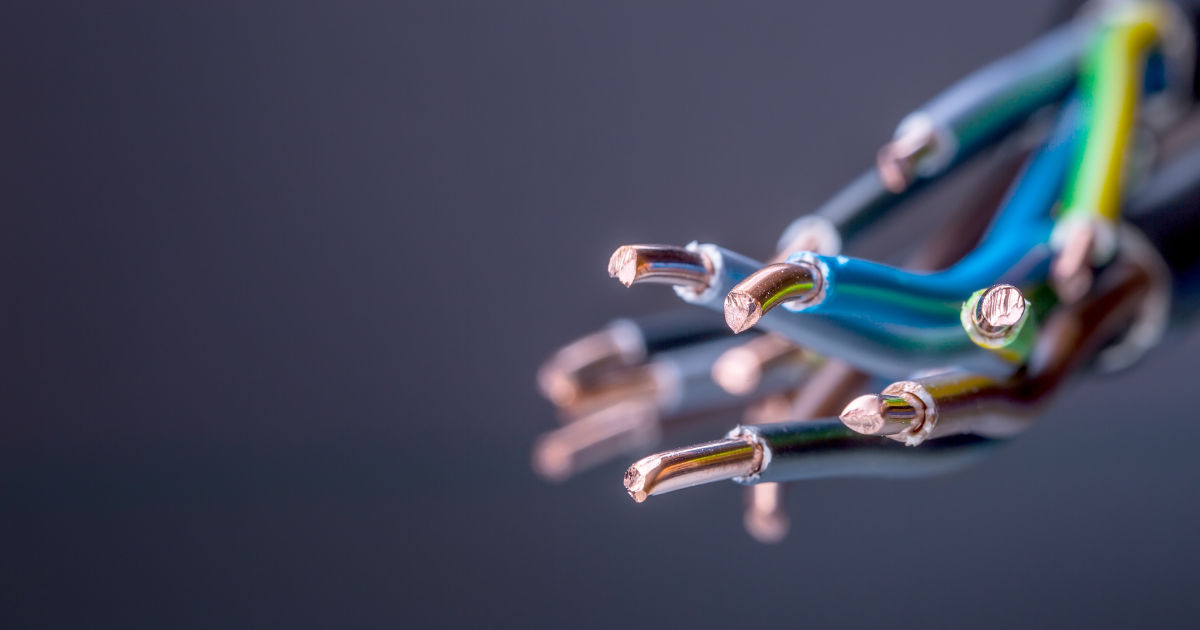 One solution that has gained global popularity is the use of underground power cables. These cables not only ensure reliable electricity supply but also greatly improve safety for people, property, and the environment.
When sourcing high-quality underground power solutions, a trusted Pakistan Cables Supplier plays a key role in ensuring safety and efficiency.
In this guide, we will explore what underground power cables are, their benefits, the safety aspects, and why they are becoming an essential part of urban infrastructure.
What Are Underground Power Cables?
Underground power cables are insulated electrical conductors that are buried beneath the ground to transport electricity. Unlike overhead power lines, these cables are not exposed to the environment, which makes them safer and more reliable. They are commonly used for both low-voltage and high-voltage power transmission.
These cables are designed to withstand environmental stress such as moisture, soil pressure, and temperature variations. Modern underground cables often come with multiple layers of insulation and protective sheathing to ensure durability.
A Pakistan Cables Supplier often provides a range of underground cable options suitable for residential, commercial, and industrial applications.
Types of Underground Power Cables
There are several types of underground power cables, and choosing the right type is crucial for safety and performance. The main types include:
1. Low Voltage Cables
Low voltage underground cables are commonly used for residential areas and small businesses. They typically carry voltages up to 1,000 volts and are used for street lighting, local distribution networks, and household electricity supply.
2. Medium Voltage Cables
Medium voltage cables handle voltages between 1 kV and 35 kV. They are used in urban power distribution, commercial complexes, and industrial setups. These cables often come with extra insulation and metallic shielding to prevent electrical faults.
3. High Voltage Cables
High voltage underground cables carry electricity above 35 kV. These are mainly used for long-distance power transmission and large industrial operations. The construction of these cables requires multiple insulation layers and advanced materials to handle high electrical loads safely.
4. Special Purpose Cables
Some underground cables are designed for specific environments, such as areas prone to flooding or extremely high temperatures. A reputable Pakistan Cables Supplier can provide specialized cables that are resistant to moisture, chemical exposure, and mechanical damage.
Safety Challenges of Overhead Power Lines
To understand why underground power cables improve safety, it is important to know the risks associated with traditional overhead power lines.
Electrical Hazards
Overhead power lines are exposed to the elements and can pose electrical hazards if they are damaged or fall during storms. Contact with live wires can lead to serious injuries or fatalities.
Fire Risks
Exposed cables can spark fires, especially during dry weather or when they come in contact with trees or other flammable materials.
Physical Hazards
Falling power lines or poles can damage property, vehicles, and infrastructure. They also pose risks to pedestrians and workers nearby.
Weather Vulnerability
Overhead lines are vulnerable to weather conditions like storms, heavy winds, and ice. Damage caused by natural events can lead to prolonged power outages and safety risks.
By comparison, underground power cables are protected from many of these hazards, which is why their adoption is increasing worldwide.
How Underground Power Cables Enhance Safety
Underground power cables significantly reduce safety risks in multiple ways:
Protection from Physical Damage
Since underground cables are buried beneath the surface, they are not exposed to falling objects, traffic accidents, or vandalism. This reduces the chances of electrical shocks and property damage.
Reduced Fire Hazards
Buried cables are insulated and often encased in fire-resistant materials. This minimizes the risk of electrical fires, making residential and commercial areas safer.
Minimal Risk to Humans and Animals
Overhead lines pose a risk to birds, pets, and humans. Underground cables remove this threat, creating a safer environment for communities.
Stability During Extreme Weather
Underground cables are immune to wind, ice, and storms. Unlike overhead power lines, which can be brought down by natural disasters, underground systems remain largely unaffected, ensuring continuous power supply and reducing emergency hazards.
Safer Maintenance
While underground cables require specialized equipment for installation and maintenance, they eliminate the constant risk of accidental contact that exists with overhead lines. Workers can perform maintenance in a controlled environment, improving overall safety standards.
Technical Features That Improve Safety
Several technical aspects of underground power cables contribute to their superior safety record:
Insulation Layers
Modern underground cables are designed with multiple insulation layers that prevent electrical leakage. These layers protect people and the environment from electrical hazards.
Protective Sheaths
The outer sheath protects the cable from moisture, chemicals, and mechanical damage. It also ensures longevity, reducing the need for frequent maintenance.
Armoring
Some cables come with metallic or composite armoring to prevent damage from digging or accidental mechanical stress.
Thermal Resistance
High-quality underground cables are built to handle extreme temperatures, preventing overheating and potential hazards.
Fault Detection
Advanced underground cable systems often include fault detection mechanisms. These allow for quick identification and repair of electrical issues before they become dangerous.
A reliable Pakistan Cables Supplier can provide cables that meet international safety standards, ensuring protection against electrical accidents.
Environmental and Urban Safety Benefits
Underground cables are not just safer for humans—they also have environmental and urban safety advantages:
Aesthetic and Urban Planning
By placing cables underground, cities maintain a cleaner, more organized appearance. This reduces clutter and hazards associated with overhead poles and wires.
Reduced Wildlife Risks
Birds and other animals often come into contact with overhead lines, leading to injury or death. Underground cables eliminate these risks.
Flood and Water Safety
Some underground cable designs are resistant to flooding and water infiltration. This is crucial in areas prone to heavy rainfall or waterlogging.
Noise Reduction
Underground cables are quieter than overhead lines, reducing electromagnetic noise in densely populated areas.
Installation Safety Considerations
Proper installation is crucial for maximizing the safety of underground power cables. Key considerations include:
Trench Design
Cables must be laid in trenches of appropriate depth and width to avoid accidental damage. Trenches should also be backfilled with protective materials like sand to prevent mechanical stress.
Warning Signage
Underground cables should be clearly marked to prevent accidental digging or construction activities that could damage them.
Soil Conditions
The type of soil affects cable performance and safety. Proper insulation and protection are required for areas with corrosive or wet soil conditions.
Professional Installation
Hiring experienced electricians and following national safety standards is vital. A reputable Pakistan Cables Supplier often provides installation guidelines and trained personnel to ensure compliance with safety protocols.
Maintenance and Safety Checks
Even underground power cables require regular maintenance to ensure long-term safety. Maintenance practices include:
-
Periodic Inspections: Using advanced tools like thermal imaging to detect hot spots or insulation degradation.
-
Electrical Testing: Checking for continuity, resistance, and insulation integrity to prevent faults.
-
Trench Monitoring: Ensuring the protective layers are intact and the cable is not exposed due to soil erosion or digging.
-
Emergency Repairs: Quick repair protocols in case of damage or fault to minimize risk to the community.
Regular maintenance reduces the risk of electrical accidents and ensures uninterrupted power supply.
Comparing Overhead vs Underground Cables
It is helpful to compare the two options to understand why underground cables improve safety:
| Feature | Overhead Cables | Underground Cables |
|---|---|---|
| Exposure to Weather | High | Low |
| Risk of Physical Damage | High | Low |
| Fire Hazard | Moderate-High | Low |
| Maintenance Difficulty | Moderate | High but Safer |
| Urban Aesthetics | Poor | Excellent |
| Wildlife Risk | High | None |
This comparison shows that while underground cables may have higher installation costs, their safety and reliability benefits outweigh the expenses.
Role of a Trusted Pakistan Cables Supplier
Choosing the right supplier is critical. A reliable Pakistan Cables Supplier ensures that you get high-quality underground cables that meet international safety standards. They provide:
-
Certified cables with multiple safety certifications
-
Guidance on cable selection for specific projects
-
Installation support and technical advice
-
Maintenance services to extend cable life and ensure safety
By working with a trusted supplier, communities and businesses can significantly reduce risks associated with electricity.
Case Studies and Real-World Applications
Many cities around the world have successfully implemented underground power cable systems to improve safety:
-
Urban Residential Areas: Eliminated hazards associated with fallen overhead lines.
-
Industrial Complexes: Reduced fire and electrical accident risks.
-
Flood-Prone Regions: Enhanced cable protection against water damage.
-
Public Spaces: Improved aesthetics and reduced accidental contact with live wires.
These real-world applications demonstrate that underground cables are a practical solution for enhancing safety in diverse environments.
Future of Underground Power Cables
As technology advances, underground power cables are becoming more efficient and safer:
-
Smart sensors for real-time fault detection
-
Eco-friendly insulation materials
-
Better armoring for mechanical protection
-
Integration with renewable energy sources for safer urban power distribution
A forward-looking Pakistan Cables Supplier will adopt these innovations, helping cities and industries build safer electrical networks.
Conclusion
Underground power cables are a crucial advancement in modern electrical infrastructure. By protecting against physical damage, reducing fire hazards, minimizing human and animal risks, and providing stability during extreme weather, these cables significantly improve safety.
While the initial installation cost may be higher than overhead lines, the long-term benefits in safety, reliability, and urban planning are undeniable. Regular maintenance, proper installation, and working with a trusted Pakistan Cables Supplier ensure that underground cables continue to provide safe, efficient, and reliable electricity for years to come.
For residential, commercial, or industrial projects, underground power cables are no longer just an option—they are a smart investment in safety and sustainability.